
Introduction
What is mail Marketing? is a powerful digital marketing strategy that helps businesses connect with customers, build relationships, and increase sales. In this guide, you’ll learn how email marketing works, its benefits, key strategies, and how businesses use it to grow.
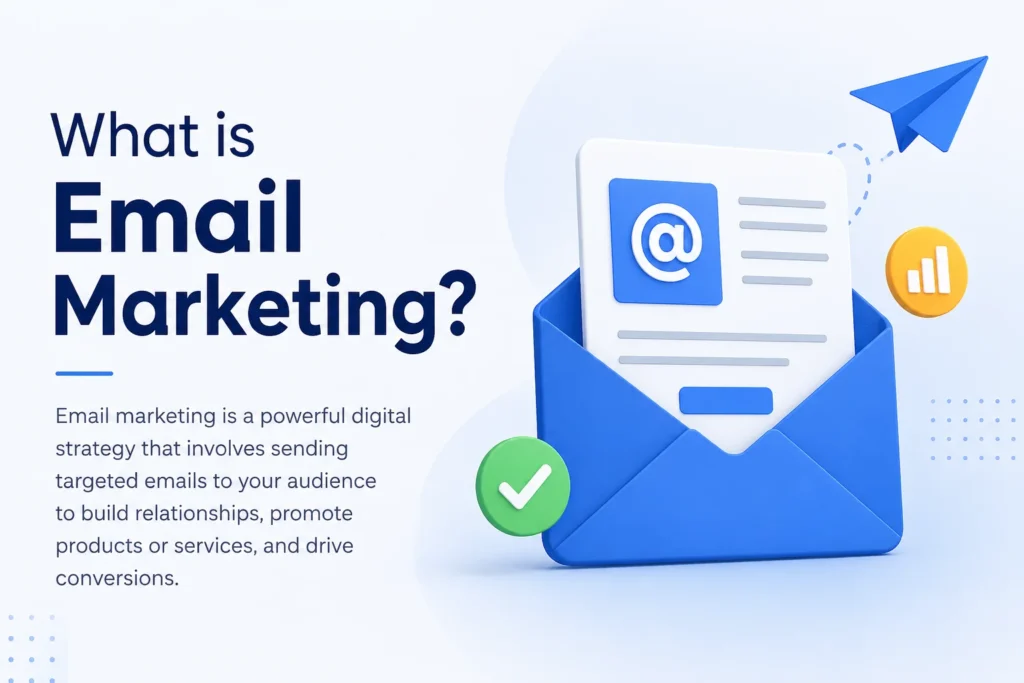
Table of Contents
Simple Definition
If you’ve ever wondered what is email marketing, the answer is surprisingly straightforward. Email marketing is a digital marketing strategy that uses email to connect with people who are interested in a business, brand, product, or service. Companies rely on it to share valuable content, promote products, announce updates, and build lasting relationships with their audience.
At its core, email marketing is all about direct communication. Instead of waiting for customers to discover your business through search engines or social media, you can deliver relevant messages directly to their inboxes. Those messages might include newsletters, educational content, exclusive discounts, product launches, event invitations, or personalized recommendations based on a subscriber’s interests.
What makes email marketing especially effective is that it focuses on people who have already chosen to hear from you. By subscribing to an email list, customers give businesses permission to stay in touch, creating a more personal and meaningful connection than many other forms of online advertising.
Unlike traditional marketing channels that cast a wide net, email marketing enables businesses to deliver the right message to the right audience at the right time. That level of personalization not only improves engagement but also helps build trust, strengthen customer loyalty, and drive long-term business growth.
How Email Marketing Works
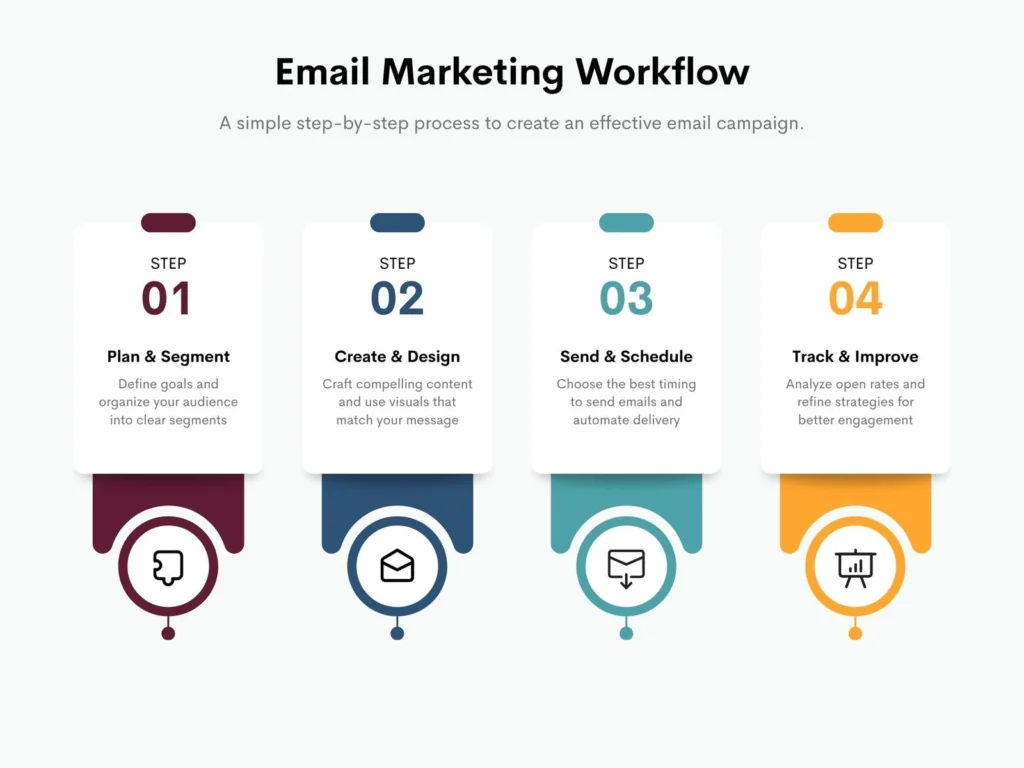
Understanding what is email marketing becomes much easier once you see how the process works. While successful campaigns may involve advanced strategies, the foundation is surprisingly simple. Businesses collect subscribers, create valuable content, send targeted emails, and analyze the results to improve future campaigns.
1. Building an Email List
Every successful email marketing strategy starts with a quality email list. Instead of purchasing email addresses, businesses encourage people to subscribe voluntarily through website signup forms, landing pages, lead magnets, free resources, webinars, or exclusive discounts.
A permission-based email list is far more valuable because subscribers have already expressed interest in the brand. As a result, they’re more likely to open emails, engage with the content, and eventually become loyal customers.
2. Creating Valuable Email Campaigns
Once an audience has been built, the next step is creating emails that provide real value. Every message should have a clear purpose, whether it’s educating readers, introducing a new product, sharing industry insights, announcing company updates, or promoting a limited-time offer.
The most effective campaigns don’t focus solely on selling. Instead, they combine helpful information with relevant promotions, giving subscribers a reason to keep opening future emails.
3. Sending Personalized and Targeted Emails
Not every subscriber is interested in the same content. That’s why modern email marketing platforms allow businesses to segment their audience based on factors such as interests, purchase history, location, or previous interactions.
With segmentation and personalization, companies can send emails that feel more relevant to each recipient. Addressing subscribers by name, recommending products based on past purchases, or delivering content tailored to specific interests creates a better customer experience and often leads to higher open rates, click-through rates, and conversions.
4. Tracking Performance and Optimizing Campaigns
The final step is measuring performance. One of the greatest strengths of email marketing is that nearly every aspect of a campaign can be tracked.
Businesses monitor key metrics such as:
- Open rate
- Click-through rate (CTR)
- Conversion rate
- Bounce rate
- Unsubscribe rate
These insights reveal what’s working and what needs improvement. By analyzing campaign data, businesses can refine subject lines, improve email content, optimize sending times, and create more effective campaigns over time.
Rather than relying on guesswork, email marketing allows marketers to make informed decisions based on real data. This continuous process of testing, learning, and optimizing is one of the reasons email remains one of the most effective digital marketing channels available today.
Why Is Email Marketing Important for Businesses?
Learning what is email marketing is only the beginning. The real value lies in understanding why businesses—from solo entrepreneurs to global brands—continue to invest in it year after year. When used strategically, email marketing helps companies strengthen customer relationships, increase sales, and build a sustainable source of long-term growth.
Direct Communication With Your Audience
One of the biggest advantages of email marketing is that it creates a direct line of communication between a business and its customers. Unlike social media platforms, where algorithms determine who sees your content, emails are delivered straight to a subscriber’s inbox.
This gives businesses greater control over their messaging and ensures important updates, promotions, and announcements have a much better chance of reaching the intended audience.
Builds Stronger Customer Relationships
People are more likely to buy from brands they know and trust. Email marketing makes it easier to build that trust by maintaining regular, meaningful communication.
Whether you’re sharing practical advice, product recommendations, company news, or exclusive offers, every email is another opportunity to strengthen your relationship with subscribers. Over time, these consistent interactions help turn first-time buyers into loyal, repeat customers.
Increases Sales and Conversions
Email marketing isn’t just about staying in touch—it’s also one of the most effective ways to generate revenue.
Businesses use email campaigns to announce new products, promote limited-time discounts, recover abandoned shopping carts, recommend related products, and nurture leads throughout the buying journey. Because these messages are sent to people who have already expressed interest, they often produce higher conversion rates than many other digital marketing channels.
Delivers Outstanding Value for Your Budget
Compared with traditional advertising methods such as television, radio, or print media, email marketing is remarkably affordable. Even businesses with limited marketing budgets can reach thousands of subscribers without spending a fortune.
This combination of low cost and strong performance makes email marketing one of the most cost-effective marketing strategies available today.
Easy to Measure and Continuously Improve
Another reason businesses rely on email marketing is its transparency. Every campaign generates valuable data that helps marketers understand what resonates with their audience.
By tracking metrics such as open rates, click-through rates (CTR), conversion rates, and unsubscribe rates, businesses can identify successful strategies, fix weak points, and optimize future campaigns. Instead of relying on assumptions, they make decisions backed by real performance data.
Suitable for Businesses of Every Size
Whether you’re running a personal blog, a local service business, an online store, or a multinational company, email marketing can be adapted to fit your goals.
It scales effortlessly as your audience grows and supports every stage of the customer journey—from attracting new subscribers to nurturing leads and retaining existing customers. That’s why understanding what is email marketing is essential for anyone who wants to build a stronger online presence and grow their business in a sustainable way.
Types of Email Marketing Campaigns
To fully understand what is email marketing, it’s important to know that not all email campaigns serve the same purpose. Different types of emails are designed to achieve different goals—some focus on building relationships, while others are created to drive sales or keep customers informed.
Choosing the right campaign at the right time helps businesses deliver more relevant content, improve engagement, and guide subscribers through every stage of the customer journey.
Welcome Emails
A welcome email is the first message a subscriber receives after joining your email list. It sets the tone for your relationship and gives new subscribers a reason to stay engaged.
A strong welcome email typically:
- Introduces your brand and its mission.
- Thanks subscribers for joining.
- Explains what kind of emails they can expect.
- Offers a welcome discount, free resource, or other incentive.
Since welcome emails often achieve some of the highest open rates, they’re the perfect opportunity to make a memorable first impression.
Newsletter Emails
Newsletters are designed to keep your audience informed and engaged over time. Instead of focusing solely on promotions, they provide ongoing value by sharing helpful and relevant content.
A newsletter may include:
- Industry news and trends.
- Blog articles or educational guides.
- Company updates.
- Product tips and tutorials.
- Upcoming events or announcements.
Regular newsletters help keep your brand top of mind while building credibility and trust with your subscribers.
Promotional Emails
Promotional emails are created with one primary objective: encouraging subscribers to take action.
Businesses commonly use these emails to:
- Announce new product launches.
- Promote seasonal sales.
- Offer exclusive discounts.
- Share limited-time deals.
- Highlight featured products or services.
When paired with compelling copy and a clear call-to-action (CTA), promotional emails can significantly boost traffic, sales, and conversions.
Transactional Emails
Transactional emails are automatically triggered when a customer completes a specific action. Although they aren’t primarily promotional, they play a vital role in delivering important information and creating a smooth customer experience.
Common examples include:
- Order confirmations.
- Shipping updates.
- Payment receipts.
- Password reset requests.
- Account verification emails.
Because customers expect these messages, transactional emails typically enjoy very high open rates.
Automated Emails
Automation allows businesses to send emails without manually creating each one. Instead, emails are triggered by customer behavior or pre-defined schedules.
Popular automated campaigns include:
- Welcome email sequences.
- Abandoned cart reminders.
- Birthday or anniversary emails.
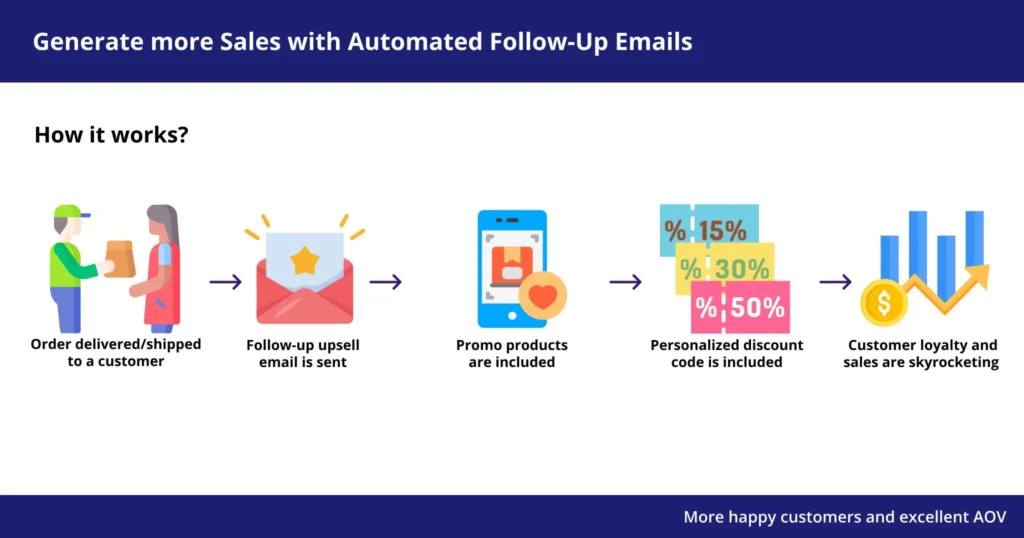
- Follow-up emails after a purchase.
- Lead nurturing sequences.
Automation saves time while ensuring subscribers receive timely, personalized communication throughout their journey.
Re-engagement and Feedback Emails
Not every subscriber stays active forever. Re-engagement emails are designed to reconnect with people who haven’t opened or clicked your emails for a while.
These campaigns often:
- Encourage inactive subscribers to return.
- Offer exclusive incentives.
- Ask whether subscribers still want to receive emails.
- Request customer feedback through surveys or reviews.
Gathering feedback not only improves the customer experience but also helps businesses refine future email campaigns.
Choosing the Right Campaign
The most successful email marketing strategies don’t rely on a single type of campaign. Instead, they combine welcome emails, newsletters, promotional offers, automated workflows, transactional messages, and re-engagement campaigns to create a complete customer journey.
By using the right email at the right moment, businesses can increase engagement, strengthen customer relationships, and achieve better marketing results over time.
Key Components of a Successful Email Marketing Strategy
Understanding what is email marketing is a great starting point, but achieving consistent results requires more than simply sending emails. A successful strategy is built on planning, personalization, and continuous improvement. When these elements work together, businesses can engage their audience more effectively and turn subscribers into loyal customers.
1. Build a High-Quality Email List
Every successful email marketing campaign begins with a quality email list. Rather than buying email addresses, focus on attracting people who genuinely want to hear from your business.
You can grow your list by offering:
- Free guides or eBooks.
- Exclusive discounts.
- Webinars or online courses.
- Newsletters with valuable insights.
- Downloadable templates or checklists.
A smaller list of engaged subscribers will almost always outperform a large list filled with uninterested contacts.
2. Segment Your Audience
Not every subscriber has the same needs, interests, or buying habits. Sending the same email to everyone often leads to lower engagement and missed opportunities.
Audience segmentation allows you to group subscribers based on factors such as:
- Demographics.
- Purchase history.
- Website activity.
- Geographic location.
- Interests or preferences.
- Engagement level.
By sending more relevant emails to each segment, businesses can improve open rates, increase click-through rates, and generate more conversions.
3. Create Valuable Content
People subscribe because they expect value—not constant sales pitches.
Every email should answer a question, solve a problem, entertain the reader, or provide useful information. Educational articles, practical tips, product tutorials, case studies, and exclusive offers all help keep subscribers engaged.
A good rule to follow is to educate first and promote second. When readers consistently find your emails helpful, they’re far more likely to trust your recommendations.
4. Personalize Every Interaction
Modern consumers expect personalized experiences, and email marketing makes that possible.
Personalization can be as simple as including a subscriber’s first name or as advanced as recommending products based on browsing behavior or previous purchases.
Personalized emails feel more relevant, capture attention more effectively, and often deliver higher engagement and conversion rates than generic messages sent to everyone.
5. Use Email Automation
Automation is one of the biggest advantages of modern email marketing. Instead of manually sending every message, businesses can create workflows that deliver the right email automatically when a subscriber performs a specific action.
Examples include:
- Welcome email sequences.
- Abandoned cart reminders.
- Post-purchase follow-ups.
- Birthday or anniversary emails.
- Lead nurturing campaigns.
- Re-engagement workflows.
Automation saves time while ensuring every subscriber receives timely and relevant communication.
6. Monitor Performance and Optimize
Even the best email campaigns can be improved. That’s why successful marketers regularly analyze performance and use the data to refine future campaigns.
Key metrics to monitor include:
- Open rate.
- Click-through rate (CTR).
- Conversion rate.
- Bounce rate.
- Unsubscribe rate.
- Email revenue.
Reviewing these metrics helps you understand what resonates with your audience, identify areas for improvement, and make smarter marketing decisions over time.
Build a Strategy That Evolves
A successful email marketing strategy isn’t something you create once and forget. It evolves as your audience grows, customer behavior changes, and new opportunities emerge.
By focusing on quality subscribers, personalized communication, valuable content, automation, and data-driven optimization, businesses can maximize the impact of every campaign. That’s why understanding what is email marketing is only the first step—developing a thoughtful strategy is what turns email into a powerful engine for long-term business growth.
Email vs Other Digital Channels
To fully understand it , it’s helpful to compare it with other popular digital marketing channels. While each channel has its strengths, email marketing stands out because it allows businesses to communicate directly with their audience.
Email Marketing vs Social Media Marketing
Understanding what is email marketing becomes even clearer when comparing it with other popular digital marketing channels. While social media, SEO, and paid advertising all play important roles in online growth, email marketing offers something unique: direct access to an audience that has already shown interest in your brand.
Each marketing channel has its own strengths and limitations. The most successful businesses don’t rely on only one method—they combine different strategies to create a complete marketing system.
Email Marketing vs Other Marketing Channels
Social media platforms are powerful tools for increasing brand visibility, attracting new audiences, and creating conversations with potential customers. Platforms such as Facebook, Instagram, LinkedIn, and X allow businesses to share content, build communities, and reach people who may not know about their brand yet.
However, social media comes with one major challenge: businesses do not have complete control over their audience reach. Platform algorithms decide which posts appear in users’ feeds, meaning even people who follow your account may never see your content.
Email marketing works differently. Instead of depending on changing algorithms, businesses can communicate directly with subscribers through their inboxes. Once someone joins your email list, you have a more reliable way to share updates, promotions, educational content, and personalized messages.
While social media helps businesses attract attention and grow awareness, email marketing helps nurture those relationships and turn interested followers into loyal customers.
Email Marketing vs SEO
Search Engine Optimization (SEO) focuses on improving a website’s visibility in search engines like Google. A strong SEO strategy can help businesses attract organic traffic, reach new audiences, and generate consistent visitors over time.
The challenge with SEO is that results rarely happen overnight. Ranking higher in search results requires quality content, technical improvements, backlinks, and ongoing optimization. For many businesses, it can take months before significant results appear.
Email marketing provides a different advantage. Instead of waiting for people to discover your content through search engines, you can immediately reach subscribers who have already expressed interest in your brand.
Many businesses use SEO and email marketing together. SEO helps attract new visitors and encourage them to subscribe, while email marketing keeps those subscribers engaged through regular communication, valuable content, and targeted offers.
Email Marketing vs Paid Advertising
Paid advertising is one of the fastest ways to generate traffic, leads, and sales. Platforms like Google Ads and social media advertising allow businesses to reach specific audiences quickly based on interests, demographics, and online behavior.
However, paid advertising has an ongoing cost. Once you stop spending money on ads, the traffic and visibility usually stop as well.
Email marketing follows a different model. Your email list is an asset that your business owns. After someone subscribes, you can continue communicating with them without paying for every individual message.
This makes email marketing a powerful long-term strategy. While paid ads are excellent for immediate growth and customer acquisition, email marketing helps businesses maintain relationships, increase repeat purchases, and maximize the value of existing customers.
Which Marketing Channel Is Best?
There is no single marketing channel that works perfectly for every business. The best approach depends on your goals, audience, industry, and resources.
Successful businesses usually combine multiple channels to create a balanced strategy:
Email Marketing: Builds customer relationships, increases retention, and encourages repeat purchases.
SEO: Generates long-term organic traffic and helps people discover your brand through search engines.
Social Media Marketing: Improves brand awareness, encourages engagement, and helps businesses connect with new audiences.
Paid Advertising: Provides fast visibility and helps generate targeted traffic and leads.
When these channels work together, businesses can attract new customers, build trust, and create a stronger digital presence.
Common Email Marketing Terms You Should Know
As you continue learning what is email marketing, you’ll quickly discover that the industry has its own set of terms and measurements. Understanding these concepts makes it easier to analyze campaign performance, choose the right strategies, and communicate more effectively with marketing professionals.
Whether you’re creating your first campaign or managing a growing subscriber list, these terms will help you understand how email marketing works behind the scenes.
Subscriber
A subscriber is a person who has chosen to receive emails from a business or organization. They usually provide their email address through a signup form, landing page, purchase process, or another permission-based method.
Subscribers are valuable because they have already shown some level of interest in your brand. Unlike random audiences reached through advertising, subscribers have invited you into their inbox, creating an opportunity to build a stronger relationship over time.
Email List
An email list is a collection of email addresses belonging to people who have agreed to receive communication from your business.
This list is one of the most important assets in email marketing because it allows businesses to send newsletters, product updates, promotions, educational content, and personalized messages directly to their audience.
A healthy email list is not simply about having thousands of contacts. Quality matters more than quantity. A smaller group of engaged subscribers can often produce better results than a large list of people who rarely interact with your emails.
Open Rate
The open rate measures the percentage of recipients who open your email after receiving it.
This metric helps businesses understand how effective their subject lines, sender names, and timing are. A strong open rate usually indicates that subscribers recognize your brand and find your emails interesting enough to read.
However, opening an email is only the first step. A successful campaign also needs engaging content that encourages readers to click and take action.
Click-Through Rate (CTR)
The Click-Through Rate (CTR) shows the percentage of subscribers who click on a link inside your email.
CTR is an important measurement because it reveals how engaging and persuasive your email content is. A high click-through rate means readers are not only opening your emails but also interacting with your message.
Businesses use CTR to evaluate different elements, including:
- Email design.
- Content quality.
- Call-to-action placement.
- Offer relevance.
Improving CTR often requires testing different approaches and understanding what motivates your audience to respond.
Conversion Rate
The conversion rate measures the percentage of subscribers who complete a specific action after clicking an email link.
The desired action depends on the business goal. It could include:
- Purchasing a product.
- Signing up for a service.
- Registering for a webinar.
- Downloading a resource.
- Completing a form.
A high conversion rate indicates that your email successfully guides subscribers from interest to action.
Bounce Rate
The bounce rate refers to the percentage of emails that cannot be successfully delivered to recipients.
There are two main types of email bounces:
Hard Bounce: Happens when an email address is invalid, doesn’t exist, or cannot receive messages permanently.
Soft Bounce: Occurs because of temporary issues, such as a full inbox or a temporary server problem.
Maintaining a low bounce rate is important because poor email quality can damage sender reputation and reduce future deliverability.
Unsubscribe Rate
The unsubscribe rate shows the percentage of subscribers who choose to stop receiving emails from your business.
Some unsubscribes are normal and expected. However, a sudden increase may indicate that your content is not matching subscriber expectations, emails are being sent too frequently, or your audience targeting needs improvement.
Monitoring this metric helps businesses understand whether their email strategy is creating value for subscribers.
Call-to-Action (CTA)
A Call-to-Action (CTA) is a clear instruction that encourages readers to take a specific step after reading an email.
Examples include:
- “Shop Now.”
- “Learn More.”
- “Download Free Guide.”
- “Start Your Free Trial.”
A strong CTA removes confusion and guides subscribers toward the desired outcome. Whether the goal is generating sales, increasing website visits, or collecting leads, the CTA plays an important role in driving conversions.
Email Automation
Email automation is the process of sending emails automatically based on specific triggers, schedules, or subscriber actions.
Instead of manually sending every message, businesses can create automated workflows that respond to customer behavior.
Examples include:
- Welcome email sequences for new subscribers.
- Abandoned cart reminders.
- Follow-up emails after purchases.
- Re-engagement campaigns for inactive users.
Automation allows businesses to deliver timely and personalized communication while saving significant time and resources.
Why Understanding These Terms Matters
Knowing these common email marketing terms helps you make better decisions and understand campaign performance more clearly. Metrics such as open rates, CTR, and conversion rates are not just numbers—they provide insights into what your audience likes, what needs improvement, and how your strategy can become more effective.
Once you understand these concepts, managing email campaigns becomes much easier and more strategic.
Best Practices for Effective Email Marketing
Understanding this marketing approach is important because… is important, but following best practices is what helps you achieve better results. These simple tips can improve engagement, increase conversions, and keep your subscribers interested.
Write Clear Subject Lines
Your subject line is the first thing people see. Keep it short, relevant, and interesting so subscribers are more likely to open your email.
Provide Valuable Content
Every email should offer something useful, whether it’s helpful advice, company updates, or exclusive offers. Focus on providing value instead of constantly selling.
Personalize Your Emails
Use the subscriber’s name or tailor content based on their interests and behavior. Personalized emails create a better experience and often perform better than generic messages.
Optimize for Mobile Devices
Many people read emails on their smartphones. Make sure your emails are mobile-friendly, easy to read, and include clear buttons or links.
Include a Clear Call-to-Action (CTA)
Tell readers exactly what to do next. Whether it’s “Read More,” “Shop Now,” or “Download the Guide,” a clear CTA encourages more clicks.
Test and Improve
Regularly review metrics such as open rate, click-through rate (CTR), and conversion rate. Testing different subject lines, email designs, and send times can help improve future campaigns.
Frequently Asked Questions (FAQs)
What is email marketing in simple words?
;- is the process of sending emails to subscribers to promote products or services, share valuable content, and build long-term relationships with customers.
Is email marketing still effective?
Yes. Email marketing remains one of the most effective digital marketing channels because it allows businesses to communicate directly with their audience, build trust, and generate consistent sales.
What are the main types of email marketing?
The most common types include welcome emails, newsletters, promotional emails, transactional emails, automated emails, and re-engagement emails.
What is the main goal of email marketing?
The primary goal of email marketing is to build relationships with subscribers, increase engagement, generate leads, and drive sales through targeted communication.
Do I need email marketing software?
Yes. The approachg software makes it easy to manage subscribers, design emails, automate campaigns, and track performance metrics such as open rates and click-through rates.
Which businesses should use email marketing?
Almost every business can benefit from email marketing, including online stores, SaaS companies, bloggers, agencies, freelancers, nonprofits, and local businesses. It is an effective way to stay connected with customers and encourage repeat business.
Conclusion
Understanding what is email marketing is the first step toward building stronger relationships with your audience and growing your business online. As you’ve learned throughout this guide, email marketing is more than just sending promotional messages—it’s a powerful way to communicate directly with subscribers, share valuable content, nurture leads, and increase sales.
Whether you’re a blogger, small business owner, freelancer, or marketer, These process can help you reach the right people at the right time. By building a quality email list, creating valuable content, using automation, and tracking your results, you can develop campaigns that deliver long-term success.
The best part is that you don’t need to be an expert to get started. Choose a reliable email marketing platform, grow your subscriber list, and begin with simple campaigns. As you gain experience, you can improve your strategy and take advantage of advanced features like segmentation, personalization, and automation.
Now that you understand and, you’re ready to take the next step and start using it to grow your audience and achieve your marketing goals.
To get more information about email marketing visit amiinmarketer.com