
How can email marketing fuel your overall inbound strategy? It starts by creating stronger connections with your audience through valuable, personalised communication. While SEO, content marketing, and social media help attract visitors, email marketing keeps them engaged, nurtures relationships, and guides them towards becoming loyal customers. In this guide, you’ll discover how to integrate email marketing into your inbound strategy, avoid common mistakes, measure your success, and use proven best practices to drive sustainable business growth.
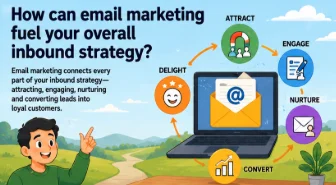
Table of Contents
What Is Inbound Marketing and Why Does It Matter?
Inbound marketing is a modern approach that helps businesses attract customers by offering valuable content instead of pushing products through traditional advertising. Rather than relying on cold emails, intrusive adverts, or unsolicited sales calls, it focuses on drawing people in naturally. Customers discover your business through blog articles, search engines, social media, videos, and other content that answers their questions or solves a problem.
At the heart of inbound marketing are four key stages: Attract, Engage, Convert, and Delight. Each stage is designed to guide potential customers through their journey, from first discovering your brand to becoming loyal advocates. By consistently providing helpful information and positive experiences, businesses can build trust, strengthen relationships, and encourage long-term customer loyalty instead of simply chasing one-off sales.
Email marketing is one of the most powerful tools in this process. Once someone subscribes to your email list, you have a direct way to stay connected with them. Regular emails filled with useful tips, relevant updates, and valuable content keep your audience engaged while gently moving them closer to making a purchasing decision. Instead of applying pressure, email marketing allows businesses to nurture leads at a pace that feels natural to the customer.
Another reason email marketing is so effective is that it is an owned marketing channel. Unlike social media, where changing algorithms can affect who sees your content, your email list belongs to you. This gives you greater control over your communication and allows you to send personalised messages, targeted campaigns, and automated email sequences that keep your brand visible and relevant.
One of the greatest strengths of inbound marketing is that its performance can be measured with ease. From website traffic and email open rates to click-throughs and conversions, every interaction provides valuable insights. These metrics help businesses understand what resonates with their audience, improve future campaigns, and maximise their return on investment.
When combined with high-quality content, search engine optimisation (SEO), and marketing automation, email marketing becomes the driving force behind a successful inbound strategy. Each element works together to create a seamless customer journey, ensuring that the right information reaches the right person at the moment it matters most.

Why Email Marketing Is the Foundation of a Successful Inbound Strategy
Email marketing remains one of the strongest pillars of inbound marketing because it helps businesses build genuine relationships with their audience. While SEO, social media, and content marketing bring people to your website, email keeps them engaged long after their first visit. It bridges the gap between initial interest and long-term loyalty.
If you’ve ever wondered how can email marketing fuel your overall inbound strategy, it starts with direct communication. Once someone joins your mailing list, you’ve earned permission to speak to them personally. Unlike paid ads or social media platforms, you aren’t dependent on changing algorithms or rising advertising costs to reach your subscribers.
Personalisation is another reason email performs so well. Every subscriber has different interests, goals, and challenges. A new subscriber might appreciate a welcome series introducing your brand, while an existing customer may respond better to product recommendations, educational content, or exclusive offers. Sending relevant emails at the right time creates a better experience and strengthens customer trust.
Email marketing supports every stage of the inbound journey:
- Attract: Encourage visitors to subscribe with valuable lead magnets, newsletters, and downloadable resources.
- Engage: Share informative blog posts, industry insights, videos, and practical guides that educate your audience.
- Convert: Deliver personalised offers, free trials, consultations, or product demonstrations that help prospects make confident buying decisions.
- Delight: Continue adding value through onboarding emails, customer support tips, loyalty rewards, and follow-up campaigns that encourage repeat purchases and referrals.
Automation makes this process even more effective. Instead of manually sending every email, automated workflows respond to subscriber behaviour. Whether someone downloads an eBook, signs up for a webinar, or leaves items in their shopping basket, automation ensures they receive timely and relevant communication without extra manual effort.
Email marketing also provides detailed performance data. Metrics such as open rates, click-through rates, conversions, and unsubscribe rates reveal what your audience enjoys and where improvements can be made. Over time, these insights help businesses optimise campaigns, increase engagement, and generate stronger results.
Perhaps the biggest advantage is ownership. Your email list belongs to you. Unlike followers on social media or rankings in search engines, your subscriber database isn’t controlled by a third-party platform. That stability makes email one of the most dependable channels for maintaining consistent communication.
Ultimately, email marketing ties every stage of the customer journey together. It transforms curious visitors into subscribers, nurtures prospects into customers, and keeps existing customers engaged long after their first purchase. Combined with valuable content, effective SEO, and smart automation, it forms the foundation of a successful inbound marketing strategy.
How Email Marketing Attracts High-Quality Leads
Generating leads is important, but attracting the right leads is what truly drives business growth. That’s where inbound marketing stands apart. Instead of pushing your message to a broad audience, it attracts people who are already searching for answers, solutions, or expertise. Email marketing strengthens this process by converting interested visitors into engaged subscribers.
If you’re asking how can email marketing fuel your overall inbound strategy, it begins by attracting people who genuinely want to hear from you. Rather than collecting random email addresses, businesses encourage visitors to subscribe by offering something valuable in exchange.
Lead magnets are one of the most effective ways to achieve this. These could include:
- Free eBooks
- Practical checklists
- Downloadable templates
- Industry reports
- Webinars
- Product demonstrations
- Exclusive newsletters
- Discount codes
When someone willingly shares their email address to access valuable content, they’re showing genuine interest in your brand. That creates a far stronger starting point than reaching out to people who have never interacted with your business.
Create Valuable Lead Magnets
The best lead magnets solve a specific problem or answer a question your audience frequently asks. Instead of creating something broad, focus on delivering immediate value.
For example, a digital marketing agency might offer an SEO checklist, while an online retailer could provide a buyer’s guide or exclusive discount. The more useful your offer, the more likely visitors are to subscribe.
Optimise Landing Pages and Sign-Up Forms
Even the best lead magnet needs an effective landing page. Keep forms simple and ask only for essential details, such as a name and email address. Explain exactly what subscribers will receive and use a clear, persuasive call to action.
Adding customer testimonials, trust badges, or reviews can also increase confidence and improve conversion rates.
Use Content Marketing to Grow Your Email List
Every piece of content you publish creates another opportunity to generate subscribers. Blog posts, videos, podcasts, and downloadable guides can all encourage visitors to join your email list.
For example, if someone is reading an article about improving email campaigns, you could invite them to download a free email marketing template or subscribe for weekly marketing insights. This seamless transition from content to subscription is a perfect example of how can email marketing fuel your overall inbound strategy.
Segment Subscribers from Day One
Not every subscriber has the same interests. Collecting a little extra information during sign-up—such as industry, business type, or preferred topics—allows you to group subscribers into meaningful segments.
Early segmentation means you can deliver more relevant emails from the beginning, increasing engagement and improving conversion rates.
Build Trust Before Selling
One of the biggest mistakes businesses make is trying to sell immediately after someone joins their email list. A better approach is to educate first.
A thoughtful welcome sequence introduces your brand, shares useful resources, and demonstrates your expertise. As trust grows, subscribers naturally become more open to your products or services.
Quality Always Beats Quantity
A smaller email list filled with engaged subscribers is far more valuable than a massive list of people who rarely interact with your content.
Focus on attracting people who genuinely want to hear from your business. These subscribers are more likely to open your emails, visit your website, download your resources, and eventually become loyal customers.
By combining valuable content, compelling lead magnets, effective landing pages, and meaningful follow-up emails, businesses can consistently attract high-quality leads that support sustainable inbound marketing growth.
H2: How Email Marketing Nurtures Leads Throughout the Customer Journey
The Role of Personalisation and Segmentation in Inbound Marketing
Sending the same email to every subscriber rarely produces the best results. People have different interests, buying habits, and goals, so they expect communication that feels relevant to them. That’s why personalisation and segmentation are at the heart of every successful inbound marketing strategy. They help businesses deliver the right content to the right people, creating a better customer experience while improving engagement and conversions.
If you’re wondering how can email marketing fuel your overall inbound strategy, personalisation is a key part of the answer. Instead of sending generic campaigns, you can tailor every message to match a subscriber’s interests, behaviour, and stage in the buying journey.
What Is Email Segmentation?
Email segmentation is the process of dividing your subscriber list into smaller groups based on shared characteristics. Rather than treating everyone the same, you create targeted campaigns that speak directly to each audience.
You can segment your email list using factors such as:
- Age, location, or industry
- Job role or business size
- Purchase history
- Website activity
- Email engagement
- Content preferences
- Position in the customer journey
For example, a new subscriber may receive educational content introducing your brand, while an existing customer receives product updates, advanced guides, or exclusive rewards.
What Is Email Personalisation?
Personalisation goes beyond simply adding a subscriber’s first name to an email. Modern email marketing platforms allow businesses to create highly relevant experiences based on customer data and behaviour.
Examples include:
- Recommending products based on previous purchases
- Sharing articles related to recently viewed pages
- Sending location-specific promotions
- Triggering emails after certain actions
- Suggesting content based on subscriber interests
- Celebrating birthdays or customer anniversaries
These small touches make emails feel more personal and encourage subscribers to interact with your brand.
Why Personalisation Matters
Inbound marketing is built around helping people rather than interrupting them. Personalised emails continue that philosophy by delivering useful information when subscribers need it most.
Some of the biggest benefits include:
- Higher email open rates
- Better click-through rates
- Stronger customer trust
- More effective lead nurturing
- Increased conversions
- Greater customer loyalty
When emails solve real problems instead of simply promoting products, subscribers are much more likely to stay engaged.
Use Behavioural Data to Improve Campaigns
Every interaction tells you something about your audience. Whether someone downloads a guide, visits your pricing page, or clicks a product link, those actions provide valuable insights.
Common behavioural triggers include:
- Downloading an eBook
- Registering for a webinar
- Visiting a pricing page
- Abandoning a shopping basket
- Clicking product links
- Completing a purchase
These actions can automatically trigger personalised email sequences, helping subscribers move naturally through the customer journey.
Respect Customer Privacy
Personalisation should always feel helpful—not invasive. Only collect the information you genuinely need, be transparent about how it’s used, and give subscribers control over their preferences.
Building trust through responsible data practices strengthens relationships and keeps your email marketing compliant with privacy regulations.
Combine Segmentation and Personalisation
Segmentation identifies the right audience, while personalisation delivers the most relevant message. Together, they create email campaigns that feel timely, useful, and valuable.
This is another clear example of how can email marketing fuel your overall inbound strategy. Relevant communication keeps subscribers engaged, builds stronger relationships, and increases the likelihood of long-term customer loyalty
How Email Marketing Drives Traffic to Your Content
Creating valuable content is only the beginning. If nobody sees it, even the best blog post or video won’t deliver results. Email marketing helps solve that problem by placing your content directly in front of people who already have an interest in your business.
If you’re asking how can email marketing fuel your overall inbound strategy, driving consistent traffic to your content is one of its biggest strengths. Every email creates an opportunity to bring subscribers back to your website, where they can continue learning and move closer to becoming customers.
Promote New Content
Whenever you publish a new article, case study, guide, or video, share it with your email subscribers. Rather than simply announcing new content, explain why it’s worth reading and how it can help.
For example, instead of saying:
“Read our latest blog.”
Try something more benefit-focused:
- Learn how to improve your email open rates.
- Discover proven ways to generate better leads.
- Find practical tips for building an effective inbound strategy.
People are far more likely to click when they immediately understand the value they’ll receive.
Recommend Relevant Content
Every subscriber has different interests. By segmenting your audience, you can recommend articles and resources that match what they care about most.
For example:
- New subscribers receive beginner guides.
- Marketing professionals receive advanced strategies.
- Existing customers receive tutorials and product updates.
- SEO-focused readers receive search marketing content.
Relevant recommendations naturally generate higher engagement and more website visits.
Encourage Repeat Visits
Many visitors leave your website without taking action. Email gives you another opportunity to reconnect with them.
Weekly newsletters, industry insights, expert advice, and practical resources encourage subscribers to return regularly. Every visit increases the chances they’ll explore more pages, download resources, or enquire about your products and services.
This ongoing relationship is exactly how can email marketing fuel your overall inbound strategy over the long term.
Use Automation to Promote Evergreen Content
Marketing automation allows your best content to continue attracting visitors long after it’s published.
Examples include:
- Welcome emails featuring your most popular articles
- Educational email courses
- Follow-up emails after resource downloads
- Monthly newsletters
- Re-engagement campaigns
- Behaviour-triggered content recommendations
These automated emails keep driving traffic without requiring constant manual work.
Support Your SEO Strategy
Email marketing doesn’t directly improve search rankings, but it supports SEO in several important ways.
By encouraging subscribers to visit your website regularly, email can increase:
- Page views
- Time spent on site
- Content sharing
- Brand awareness
- Opportunities to earn backlinks
- Lead generation
Together, SEO attracts new visitors while email marketing keeps them coming back.
Measure Your Results
One of email marketing’s greatest strengths is measurable performance.
Monitor key metrics such as:
- Open rate
- Click-through rate
- Website traffic
- Time on page
- Downloads
- Conversion rate
These insights reveal which content resonates with your audience, helping you produce more of what works.
Using Marketing Automation to Scale Your Email Campaigns
Managing a growing email list manually quickly becomes overwhelming. Marketing automation makes the process far more efficient by sending the right message to the right subscriber at the perfect time.
If you’re wondering how can email marketing fuel your overall inbound strategy, automation is one of the biggest reasons. It helps businesses nurture leads, improve customer experiences, and increase conversions without dramatically increasing workload.
What Is Marketing Automation?
Marketing automation uses software to send emails automatically whenever subscribers complete specific actions.
For example, if someone downloads an eBook, an automated workflow could:
- Send the download instantly
- Deliver educational emails over the next few days
- Recommend related resources
- Invite them to a webinar
- Offer a free consultation or product demo
Everything happens automatically, ensuring every subscriber receives timely communication.
Benefits of Marketing Automation
Automation offers advantages for businesses of every size, including:
- Saving valuable time
- Delivering timely communication
- Improving lead nurturing
- Increasing customer engagement
- Reducing manual work
- Supporting business growth
- Providing detailed performance reports
With repetitive tasks handled automatically, your team can focus on creating better content and improving overall strategy.
Essential Automated Email Workflows
Some of the most effective automated campaigns include:
Welcome Emails
Introduce new subscribers, deliver promised resources, and explain what they can expect from future emails.
Lead Nurturing
Share educational content, case studies, and expert advice that gradually builds trust.
Abandoned Basket Emails
Remind shoppers about unfinished purchases and encourage them to return.
Webinar Campaigns
Automatically send confirmations, reminders, and follow-up resources before and after events.
Re-engagement Emails
Reconnect with inactive subscribers using fresh content, special offers, or preference updates.
Post-Purchase Campaigns
Thank customers, provide onboarding support, request reviews, and recommend related products.
Keep Automation Personal
Automation should never feel robotic.
Use subscriber information such as:
- First name
- Company
- Industry
- Previous purchases
- Website activity
- Email engagement
to make every automated email feel natural and relevant.
Test and Improve
No workflow should remain unchanged forever. Regular testing helps improve campaign performance over time.
Experiment with:
- Subject lines
- Calls to action
- Send times
- Email frequency
- Workflow timing
- Content layout
Track open rates, click-through rates, conversions, and unsubscribe rates to identify opportunities for improvement.
Focus on the Customer Journey
The best automation doesn’t send more emails—it sends better ones.
Every message should educate, solve a problem, answer a question, or guide subscribers towards the next logical step. When automation is built around customer needs rather than sales alone, it creates a smoother experience and stronger relationships.
By combining automation with valuable content, audience segmentation, and personalisation, businesses can scale their email marketing while maintaining quality. That’s exactly how can email marketing fuel your overall inbound strategy—by delivering relevant information at the right time and helping every subscriber move confidently through the customer journey.
Best Practices for Integrating Email Marketing with Your Inbound Strategy
Email marketing delivers the greatest results when it’s fully integrated with your wider inbound marketing strategy. Rather than treating it as a standalone channel, combine it with your content marketing, SEO, social media, and customer relationship management (CRM) efforts. This creates a smooth customer journey where every interaction works towards the same goal.
If you’re wondering how can email marketing fuel your overall inbound strategy, the answer lies in consistency. Every email should educate, provide value, and encourage subscribers to take the next step, whether that’s reading a blog post, downloading a guide, or making an enquiry.
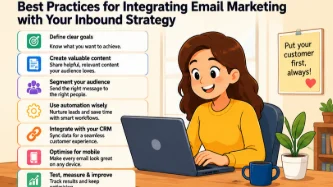
Define Clear Goals
Every successful email campaign begins with a clear objective. Knowing what you want to achieve helps you create focused content and measure your results more effectively.
Your goals might include:
- Growing your email list
- Driving more website traffic
- Generating qualified leads
- Increasing enquiries
- Boosting sales
- Improving customer retention
- Encouraging repeat purchases
Each campaign should focus on one primary goal and include a strong call to action that guides readers towards it.
Create Valuable Content
Quality content is the foundation of inbound marketing, and email is one of the best ways to share it. Instead of filling inboxes with constant promotions, provide useful information that helps your audience solve problems or learn something new.
Consider sharing:
- Blog articles
- eBooks and guides
- Case studies
- Industry news
- Videos
- Webinars
- Customer success stories
When your emails consistently deliver value, subscribers are more likely to stay engaged and return to your website.
Match Emails to the Customer Journey
Not every subscriber needs the same information. Tailor your emails to where people are in their buying journey.
For example:
- Awareness: Educational blogs, checklists, and beginner guides.
- Consideration: Case studies, product comparisons, and expert advice.
- Decision: Free consultations, demonstrations, testimonials, or special offers.
- Retention: Product updates, onboarding emails, loyalty rewards, and helpful tips.
Sending relevant content at the right stage improves engagement and builds trust.
Segment Your Audience
Sending identical emails to your entire list often leads to lower engagement. Instead, divide subscribers into smaller groups based on factors such as:
- Interests
- Industry
- Location
- Purchase history
- Website activity
- Engagement levels
- Customer lifecycle stage
Segmentation allows you to send more relevant emails, resulting in better open rates, more clicks, and stronger customer relationships.
Use Marketing Automation
Marketing automation saves time while ensuring subscribers receive timely communication. It helps you stay connected without manually sending every email.
Useful automated campaigns include:
- Welcome email series
- Lead nurturing sequences
- Webinar reminders
- Abandoned basket emails
- Post-purchase follow-ups
- Re-engagement campaigns
Review your workflows regularly to keep them accurate, relevant, and aligned with your marketing goals.
Connect Email Marketing with Your CRM
Integrating your email platform with your CRM gives you a complete picture of your customers. This helps you personalise campaigns and improve decision-making.
Benefits include:
- Tracking subscriber behaviour
- Personalising emails using customer data
- Monitoring lead progress
- Identifying sales opportunities
- Improving collaboration between sales and marketing teams
A connected system creates a more personalised experience for every customer.
Optimise for Mobile
Most emails are now opened on mobile devices, making mobile-friendly design essential.
To improve the experience:
- Use responsive templates.
- Keep subject lines short.
- Write concise paragraphs.
- Add clear call-to-action buttons.
- Optimise images for faster loading.
- Make text easy to read on smaller screens.
A mobile-friendly email increases engagement and improves the overall user experience.
Test and Improve
Email marketing should always evolve. Testing different elements helps you understand what works best for your audience.
Experiment with:
- Subject lines
- Preview text
- Email layouts
- Calls to action
- Images
- Send times
- Content length
Use A/B testing alongside performance metrics to continually improve your campaigns.
Respect Subscriber Privacy
Trust is essential in inbound marketing. Always collect email addresses with permission, explain how subscriber data is used, and make it easy for people to manage their preferences or unsubscribe.
Respecting privacy builds credibility and helps maintain a healthy, engaged email list.
Put Customers First
The most effective email campaigns focus on helping people, not simply selling to them. Every email should answer a question, solve a problem, or provide useful information.
When you consistently deliver relevant and valuable content, subscribers are more likely to trust your brand and become loyal customers. That’s exactly how can email marketing fuel your overall inbound strategy—by creating meaningful relationships that support long-term business growth.
Common Email Marketing Mistakes That Hurt Your Inbound Results
Even the best email marketing strategy can underperform if common mistakes go unnoticed. Avoiding these issues will improve engagement, strengthen customer relationships, and deliver better long-term results.
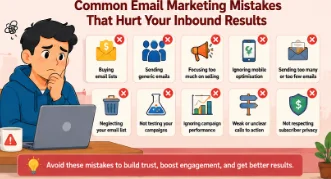
Buying Email Lists
Purchasing email lists might seem like a quick way to grow your audience, but it often creates more problems than benefits. People who haven’t chosen to hear from you are unlikely to engage.
Buying lists can result in:
- Low open rates
- Poor click-through rates
- Spam complaints
- High unsubscribe rates
- Damage to your sender reputation
Instead, build your list organically through valuable content, lead magnets, and newsletter sign-ups.
Sending Generic Emails
Not every subscriber has the same interests or needs. Sending one generic message to everyone usually reduces engagement.
Segment your audience based on:
- Interests
- Purchase history
- Website behaviour
- Industry
- Customer journey stage
Personalised emails feel more relevant and usually perform much better.
Focusing Too Much on Sales
If every email is a sales pitch, subscribers may quickly lose interest.
Balance promotional emails with useful content such as:
- Blog posts
- Industry updates
- Practical advice
- Case studies
- Free resources
Providing value first helps build trust and keeps subscribers engaged.
Ignoring Mobile Users
Many subscribers read emails on their phones. If your emails aren’t mobile-friendly, you could lose valuable engagement.
Use responsive templates, clear layouts, short paragraphs, and large buttons to improve the mobile experience.
Sending Emails Too Often
Finding the right frequency is important. Too many emails can overwhelm subscribers, while too few can make your brand easy to forget.
Monitor engagement and adjust your schedule based on what your audience responds to.
Forgetting to Test
Always test your emails before sending them.
Check:
- Subject lines
- Links
- Images
- Personalisation
- Mobile display
- Calls to action
Small mistakes can affect both user experience and campaign performance.
Ignoring Performance Data
Tracking campaign results helps you understand what’s working.
Monitor metrics such as:
- Open rate
- Click-through rate
- Conversion rate
- Bounce rate
- Unsubscribe rate
Use these insights to improve future campaigns and make smarter marketing decisions.
Use Clear Calls to Action
Every email should have one clear purpose. Whether you want readers to download a guide, read a blog, or request a consultation, make the next step obvious and easy to follow.
By avoiding these common mistakes and focusing on delivering genuine value, you’ll improve engagement and strengthen your inbound marketing strategy.
Key Metrics to Measure the Success of Your Email Marketing Strategy
Tracking performance is essential if you want to improve your email marketing. Measuring the right metrics helps you understand what your audience responds to and where your campaigns can be improved.
If you’re asking how can email marketing fuel your overall inbound strategy, the answer becomes much clearer when you analyse your results.
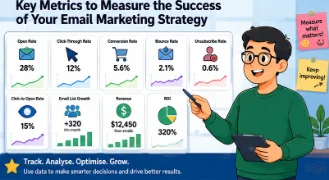
Open Rate
Open rate shows how many subscribers opened your email. A strong open rate usually reflects effective subject lines and good audience targeting.
Click-Through Rate (CTR)
CTR measures how many recipients clicked on links within your email. It indicates whether your content and calls to action are encouraging people to engage further.
Conversion Rate
Conversion rate tracks how many subscribers completed your desired action, such as downloading a guide, requesting a consultation, or making a purchase.
This is one of the most valuable metrics because it directly measures business results.
Bounce Rate
Bounce rate shows how many emails failed to reach subscribers.
Regularly cleaning your email list helps improve deliverability and protect your sender reputation.
Unsubscribe Rate
While some unsubscribes are normal, consistently high rates may indicate that your content isn’t meeting subscriber expectations or you’re emailing too frequently.
Click-to-Open Rate (CTOR)
CTOR measures how engaging your email content is by comparing clicks against the number of opened emails.
A higher CTOR usually means your content is relevant and your calls to action are effective.
Email List Growth
Growing your subscriber list is important, but quality matters more than quantity.
Track:
- New subscribers
- Unsubscribes
- Spam complaints
- Overall list growth
Healthy growth shows your content is attracting the right audience.
Return on Investment (ROI)
Measure how much revenue your email campaigns generate compared to their cost.
Tracking ROI helps identify which campaigns produce the greatest business value.
Website Engagement
Don’t stop measuring after someone clicks your email.
Monitor:
- Page views
- Time on page
- Downloads
- Form submissions
- Repeat visits
These insights show whether your emails are attracting genuinely interested visitors.
Use Data to Improve
The best marketers never stop refining their campaigns. Regularly review your performance, test new ideas, and optimise your strategy based on real data.
Over time, these improvements can significantly increase engagement, conversions, and customer loyalty while demonstrating exactly how can email marketing fuel your overall inbound strategy.
Frequently Asked Questions About Email Marketing and Inbound Marketing
1. How can email marketing fuel your overall inbound strategy?
Email marketing strengthens your inbound strategy by helping you build lasting relationships with your audience. After attracting visitors through SEO, blog content, or social media, email allows you to stay connected with personalised messages, valuable resources, and timely updates. This keeps your brand top of mind, nurtures leads, and increases the chances of turning subscribers into loyal customers.
2. Why is email marketing important for inbound marketing?
Email marketing is important because it gives you direct access to people who have chosen to hear from your business. Unlike social media, where algorithms decide who sees your content, email allows you to communicate consistently with your audience. This makes it easier to build trust, share valuable content, and encourage long-term engagement.
3. What is the difference between inbound marketing and outbound marketing?
Inbound marketing focuses on attracting customers by offering useful content and helpful experiences. Common examples include blog posts, SEO, social media, webinars, and email marketing.
Outbound marketing takes a more traditional approach by pushing promotional messages to a broad audience through channels such as television, radio, cold calling, direct mail, and display advertising.
The biggest difference is simple: inbound marketing earns attention, while outbound marketing interrupts it.
4. How often should I send marketing emails?
There isn’t a single schedule that works for every business. The right frequency depends on your audience, industry, and the type of content you create.
For many businesses, sending one email each week or two to four emails per month provides a good balance. Keep an eye on open rates, click-through rates, and unsubscribe rates to find the schedule that works best for your subscribers.
5. What makes an email marketing campaign successful?
Successful campaigns usually share several key characteristics:
- A clear goal
- A compelling subject line
- Valuable and relevant content
- Audience segmentation
- Personalised messaging
- A strong call to action
- Mobile-friendly design
- Regular testing and optimisation
When these elements work together, your emails are far more likely to generate engagement and conversions.
6. What is email segmentation?
Email segmentation is the process of dividing your subscriber list into smaller groups based on shared characteristics, such as interests, purchase history, location, website behaviour, or engagement levels.
By sending targeted content to each group, you can improve open rates, increase clicks, and create a better experience for your subscribers.
7. How does marketing automation improve email marketing?
Marketing automation allows you to send emails automatically based on subscriber actions or predefined workflows.
Examples include:
- Welcome emails
- Lead nurturing campaigns
- Webinar reminders
- Abandoned basket emails
- Post-purchase follow-ups
- Re-engagement campaigns
Automation saves time while ensuring every subscriber receives relevant communication at the right moment.
8. Which email marketing metrics should I monitor?
To measure campaign performance, keep track of:
- Open rate
- Click-through rate (CTR)
- Click-to-open rate (CTOR)
- Conversion rate
- Bounce rate
- Unsubscribe rate
- Email list growth
- Return on investment (ROI)
Monitoring these metrics helps you identify what’s working and where improvements are needed.
9. Can email marketing improve SEO?
Email marketing doesn’t directly improve search engine rankings, but it supports your SEO efforts by driving more visitors to your website. More traffic, longer sessions, and increased engagement can help your content gain greater visibility over time while strengthening your overall digital marketing strategy.
10. What are the biggest email marketing mistakes to avoid?
Some of the most common mistakes include:
- Buying email lists
- Sending generic emails
- Ignoring audience segmentation
- Focusing too heavily on sales
- Sending emails too frequently or too rarely
- Failing to optimise for mobile devices
- Skipping campaign testing
- Ignoring performance data
- Using weak calls to action
Avoiding these mistakes will improve engagement, build trust, and deliver stronger long-term results.
11. How long does it take to see results from email marketing?
Some improvements, such as higher open rates or increased website traffic, can appear within a few weeks. However, generating more leads, increasing conversions, and building customer loyalty usually takes several months of consistent effort.
The key is to provide value, monitor your results, and continually refine your campaigns.
12. Is email marketing still effective in 2026?
Absolutely. Despite the growth of new digital platforms, email remains one of the most effective marketing channels available. It offers direct, permission-based communication, making it easier to build relationships, share personalised content, and nurture leads throughout the customer journey.
When combined with SEO, content marketing, and marketing automation, email marketing continues to deliver measurable results and remains a core part of every successful inbound marketing strategy.
Conclusion
Building an effective inbound marketing strategy takes more than attracting visitors to your website. The real success comes from keeping those visitors engaged, earning their trust, and guiding them towards becoming loyal customers. That’s where email marketing makes the biggest difference.
Throughout this guide, we’ve explored how can email marketing fuel your overall inbound strategy by supporting every stage of the customer journey. From attracting high-quality leads with valuable content to nurturing subscribers through personalised campaigns and automation, email helps turn curiosity into meaningful customer relationships.
One of email marketing’s greatest advantages is ownership. Your subscriber list belongs to your business, allowing you to communicate directly with your audience without relying on changing social media algorithms or increasing advertising costs. Combined with SEO, content marketing, and CRM tools, email becomes the channel that connects your entire inbound strategy.
Success isn’t about sending more emails—it’s about sending the right emails. Focus on creating valuable content, segmenting your audience, personalising your messaging, and using automation to deliver information when it’s most relevant. At the same time, track your performance, learn from the data, and refine your campaigns to achieve even better results.
Most importantly, always put your audience first. Every email should educate, solve a problem, answer a question, or provide genuine value before asking for a sale. Businesses that consistently help their subscribers build stronger relationships, earn greater trust, and enjoy higher customer loyalty.
So, how can email marketing fuel your overall inbound strategy? By connecting every stage of the customer journey, delivering personalised experiences, driving qualified traffic, and nurturing leads until they’re ready to take action. When used strategically, email marketing becomes far more than a communication tool—it becomes the driving force behind sustainable business growth.
To learn more about marketing tools visit AmiinMarketer.com.